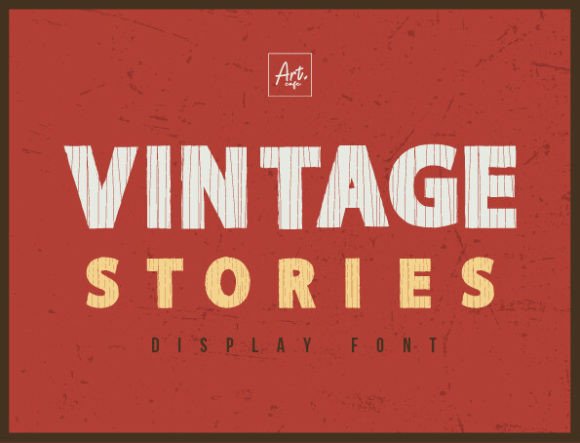
Discovering the Timeless Appeal of Vintage Stories
Every designer knows the magnetic pull of a font that tells a story before a single word is read, and Vintage Stories is precisely that kind of typographic asset. It immediately evokes a sense of history and nostalgia, yet its clean, minimalist strokes prevent it from feeling cluttered or outdated. This striking display font resonates with the charm of past eras and antique aesthetics, making it a powerful tool for creating visual narratives that captivate and endure.
The Role of Vintage Typography in Modern Design
In a digital landscape saturated with sleek, geometric sans-serifs, vintage-inspired typography like Vintage Stories offers a vital point of differentiation. Its bold strokes and classic allure provide a strong visual anchor, perfect for poster headlines or establishing a retro design mood. For graphic design professionals, this font bridges a critical gap: it delivers the warmth and personality of traditional charm while maintaining the clarity and scalability required for contemporary digital and print applications.
Effective visual communication hinges on evoking the right emotion. A font like this is not merely decorative; it is a foundational element of brand identity. It can transform a simple logo into a memorable emblem or give social media graphics an authentic, handcrafted feel that boosts user engagement. When used intentionally, it strengthens a brand's narrative, connecting with audiences on a more emotional and nostalgic level.
Practical Applications for Creative Projects
The versatility of Vintage Stories allows it to enhance a wide array of creative endeavors. Its balanced blend of timeless appeal and minimalist elegance makes it a valuable component in any designer's toolkit. Consider its impact across these common design workflows:
- Branding and Logo Design: Ideal for boutique shops, artisanal products, craft breweries, or any brand seeking a heritage or handcrafted identity.
- Marketing Materials: Creates standout headlines in flyers, posters, and advertisements, particularly for seasonal campaigns or retro-themed events.
- Social Media Content: Adds instant visual interest and a curated aesthetic to Instagram posts, Pinterest graphics, and YouTube thumbnails.
- Packaging Design: Elevates product labels, boxes, and tags, especially for goods that emphasize quality, tradition, or organic origins.
- Editorial Design: Serves as a compelling display font for magazine covers, book titles, and chapter headings in both print and digital layouts.
- Web and UI Design: Can be used sparingly for hero sections, landing page banners, or key call-to-action text to inject personality without compromising UX design principles.
Tips for Effective Typography Integration
Selecting a font like Vintage Stories is only the first step. To maximize its impact, thoughtful integration into your broader design system is crucial. Always prioritize readability; while its decorative nature is appealing, ensure body text remains in a clean, complementary font. Consider your color palette—muted tones, earthy hues, or classic black and white often work harmoniously with its aesthetic.
Visual hierarchy is key. Use this font for headlines and key phrases where its detailed character shapes can shine, and pair it with simpler fonts for supporting text. Test its scalability across different mediums, from a small favicon to a large banner, to ensure legibility. Finally, align its use with your audience's expectations; a vintage style should feel authentic to your brand's story, not applied as a superficial trend.
Ultimately, the power of quality creative assets lies in their ability to elevate both aesthetics and communication. Choosing typography with intention, like the characterful Vintage Stories