Kurhosia: The Futuristic Font for Modern Design
In the competitive landscape of digital design, typography is more than just letters on a screen—it's the voice of your brand. Choosing the right typeface can elevate a project from ordinary to unforgettable, and this is precisely where the Kurhosia font makes its mark. This modern, elegant, and futuristic display font is engineered to inject a unique, sophisticated touch into any creative endeavor, from web designs to business cards, making it a valuable asset for designers seeking visual impact.
What Defines the Kurhosia Typeface?
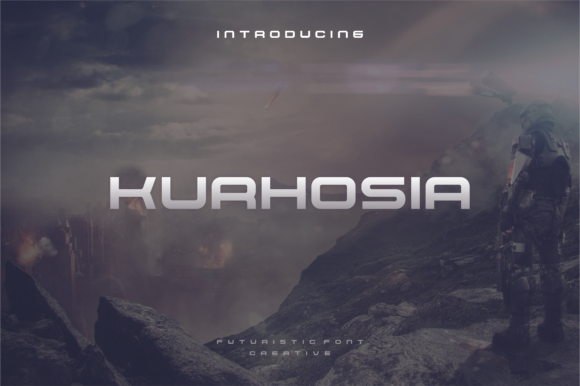
Kurhosia belongs to the category of display fonts, meaning it is crafted for high-impact use in headlines, logos, and short textual blocks where its distinctive character can shine. Its design philosophy blends clean, geometric lines with subtle, forward-thinking details, resulting in a typeface that feels both professional and innovative. This balance is crucial in modern graphic design, where brands strive to appear approachable yet cutting-edge.
Unlike body text fonts designed for long-form readability, Kurhosia excels in creating immediate visual interest. Its letterforms often feature balanced proportions, sharp angles, or fluid curves that suggest motion and progress. This makes it an excellent tool for establishing a strong visual hierarchy, guiding the viewer's eye to the most important message first.
Practical Applications for Kurhosia in Design Projects
The versatility of a well-designed display font like Kurhosia allows it to be adapted across a wide spectrum of creative projects. Its modern aesthetic aligns with current design trends that favor minimalism with personality, making it a strategic choice for various applications.
- Branding and Logo Design: A logo set in Kurhosia can communicate innovation and elegance. It's particularly effective for tech startups, luxury brands, fashion labels, and creative agencies that want to project a forward-thinking identity.
- Web and UI Design: Use Kurhosia for hero sections, call-to-action buttons, or navigation headers to create a memorable user experience (UX). Its clarity at various sizes ensures it enhances, rather than hinders, usability.
- Marketing and Social Media Graphics: In digital marketing, grabbing attention quickly is paramount. Kurhosia makes social media posts, email headers, and online advertisements stand out in crowded feeds with its striking presence.
- Packaging and Print Design: On product packaging, business cards, or posters, this font can add a premium, tactile quality. It ensures your brand is remembered long after the initial interaction.
- Editorial and Presentation Design: For magazine covers, annual reports, or keynote presentations, Kurhosia provides a polished, professional look that elevates the content and holds the audience's attention.
Integrating Kurhosia into Your Design Workflow
Selecting a typeface is just the first step. To maximize its potential, consider how Kurhosia integrates with your broader design system. Here are key factors to evaluate for effective implementation:
- Consistency and Brand Alignment: Ensure the font's personality matches your brand's voice. A futuristic font like Kurhosia should complement your overall color palette, imagery, and messaging strategy.
- Visual Hierarchy and Readability: Use Kurhosia for primary headings and pair it with a highly legible sans-serif or serif font for body text. This creates a clear, scannable layout that improves user engagement.
- Scalability and Flexibility: Test the font at various sizes and in different contexts—from a tiny favicon to a large banner. A quality display font maintains its integrity and readability across scales.
- Audience Expectations: Consider who will see your designs. Kurhosia’s modern feel may resonate powerfully with a younger, tech-savvy demographic but should be used thoughtfully for more traditional audiences.
Typography is a foundational pillar of visual communication. The choice of a typeface like Kurhosia is not merely aesthetic; it's a strategic decision that influences perception, strengthens brand identity, and enhances the overall quality of your creative projects. By thoughtfully integrating such distinctive creative assets into your design workflow, you ensure that every touchpoint with your audience is not only seen but felt, creating a cohesive and compelling narrative that drives connection and results.